
Deriv Forex Trading Guide for Kenyan Traders
📈 Discover how to trade forex on Deriv with tips tailored for Kenyan traders! Learn platform features, effective strategies & risk management today.
Edited By
Emily Clarkson
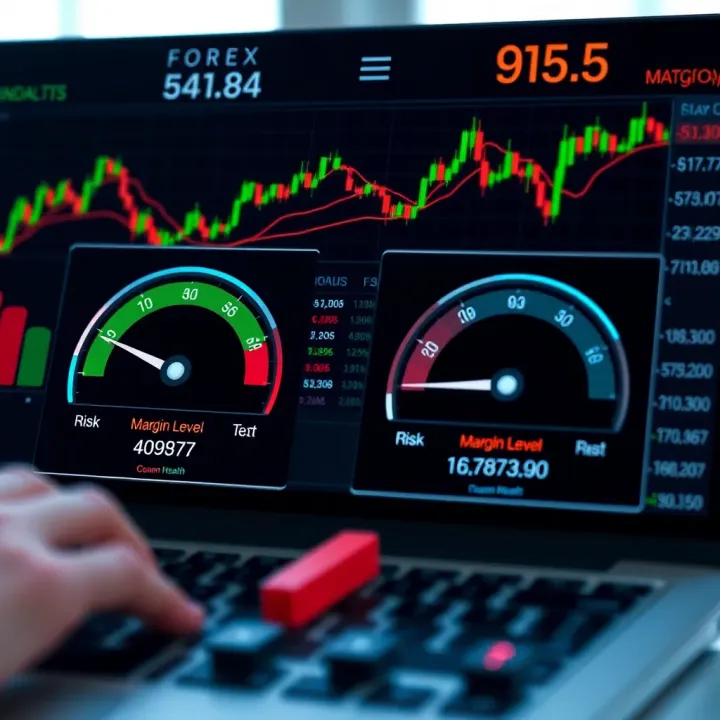
Margin level is an essential concept every forex trader must understand to manage risk effectively. Simply put, it tells you how much of your available funds are being used as collateral for your open trades. Knowing your margin level helps you keep track of your account health and avoid sudden liquidation during volatile market swings.
The margin level is expressed as a percentage and calculated using this formula:
Margin Level = (Equity / Used Margin) × 100
Here, *equity* is your account balance plus or minus any floating profit or loss, while *used margin* refers to the funds currently locked in your open positions. For example, if your account equity is KSh 50,000 and your used margin is KSh 10,000, your margin level would be 500%.

> A higher margin level means you have a bigger cushion against market fluctuations, while a low margin level signals a risk of margin call from your broker.

Maintaining a healthy margin level ensures you won't be forced to close positions prematurely. Brokers usually set a margin call level, often around 100% margin level, where they require you to top up your account or reduce your exposure. If the margin level falls below the stop out level, your broker may automatically close some or all of your losing trades.

To keep your margin level balanced:

- Monitor open positions regularly, especially during major economic releases that can cause sharp price moves
- Use stop-loss orders to limit potential losses
- Avoid overleveraging. While leverage can amplify gains, it equally magnifies risks
- Keep spare funds in your account as a buffer rather than investing all available capital

Understanding margin level also plays a role in planning your trade size. If you know your margin requirement per lot, you can adjust trade volumes so that you don’t overstretch your account. For instance, on a standard lot requiring KSh 20,000 margin, trading two lots with only KSh 30,000 equity places you dangerously close to margin call territory.

In short, margin level is like the fuel gauge in your forex account. With it, you measure how much risk you can take before your engine sputters. By keeping an eye on it, you protect your investments and keep trading with confidence.

## Defining Margin Level in Forex

Margin level is a fundamental concept that every forex trader must grasp to manage their account health effectively. It measures the ratio between the equity in your trading account and the margin used for your open positions. This ratio indicates how much room you have before your broker may issue a margin call or close your trades.

For instance, if you start trading with KSh 100,000 and keep open positions requiring a margin of KSh 20,000, your margin level shows how much of your funds remain available compared to those locked up in trades. Understanding this helps you avoid unexpected losses from sudden market shifts.

### What Margin Level Means

Margin level represents the strength of your account relative to your current trades. It is a percentage calculated by dividing your equity by the margin used. Equity here includes your initial capital plus or minus any unrealised profits or losses. A high margin level means you have a buffer to absorb market movement, while a low one implies greater risk of liquidation.

Consider this example: if your account equity is KSh 80,000 after some market moves but the margin used remains at KSh 20,000, your margin level is 400%. This suggests a healthy position, as your equity is far above the margin requirement.

### Difference Between Margin, Free Margin, and Margin Level

These terms often confuse new traders but have distinct meanings:

- **Margin**: The amount your broker holds as collateral to open or maintain positions. For example, opening a trade may require KSh 10,000 as margin.
- **Free Margin**: The leftover funds in your account that can be used to open new trades or absorb losses. If your equity is KSh 50,000 and margin used is KSh 15,000, your free margin is KSh 35,000.
- **Margin Level**: The ratio of equity to margin used, expressed as a percentage. It gives you a quick snapshot of your [trading](/articles/deriv-forex-trading-guide-kenya/) health.

Think of margin as the locked amount, free margin as what’s available to trade with or cover losses, and margin level as the overall safety gauge.

### How Margin Level is Expressed

Margin level is usually shown as a percentage. Traders often see it on the trading platform in real-time. For example, a margin level of 100% means your equity exactly matches your used margin, which is risky. Most brokers issue a margin call when the margin level drops to around 50-100%, depending on their policies.

> **Keep an eye on margin level percentages**: Staying well above your broker’s margin call threshold helps you avoid forced trade closures that can cause significant losses.

Monitoring margin level lets you adjust your trading strategy, such as reducing trade size or closing some positions to keep your account secure. This practical understanding can save your account from being wiped out during volatile market swings.

By mastering these basics, you set a strong foundation to navigate the forex market prudently, balancing risk and reward smartly.

## Calculating Margin Level

Understanding how to calculate margin level is vital for anyone serious about forex trading. Margin level shows the ratio between your equity and used margin, giving you a clear picture of how much buffer you have before a margin call. Monitoring this helps you manage your trades and avoid sudden forced liquidations by the broker.

Knowing your margin level also enables better decision-making on whether to open new trades or reduce existing ones. It directly affects how you allocate funds and manage risks, especially when market moves are volatile. In Kenya, where many retail traders use leverage through platforms like MetaTrader, keeping the margin level healthy ensures your KSh investments do not get wiped out unexpectedly.

### Basic Formula for Margin Level

The margin level is typically expressed as a percentage. The basic formula is:


- **Equity**: The total value of your trading account including unrealised profits or losses.
- **Used Margin**: The amount of your account balance tied up to maintain open positions.

This formula provides a straightforward ratio to assess your trading account’s health.

### Step-by-Step Calculation Example

Let's say you have an account balance of KSh 100,000. You open a forex position requiring a margin of KSh 10,000. Your trade is currently showing an unrealised profit of KSh 5,000.

1. **Calculate Equity**: Account balance + unrealised profit = KSh 100,000 + KSh 5,000 = KSh 105,000.
2. **Identify Used Margin**: This is KSh 10,000 as required for your open trade.
3. **Apply Formula**:

Margin Level = (105,000 / 10,000) × 100 = 1050%


A margin level of 1050% means your account is healthy with a significant buffer. If prices move causing losses, this percentage will drop, signalling when to be cautious.

> High margin levels provide room for more trades or absorbing market shocks, but low levels invite margin calls and forced closures.

Regularly calculating and keeping track of this metric prevents nasty surprises, especially in volatile markets like forex. It also guides traders in using leverage wisely and maintaining proper risk management.

By understanding and applying this formula, traders can make smart and informed choices that protect their capital while aiming for profits.

## Importance of Monitoring Margin Level

Monitoring your margin level in forex trading matters because it keeps you alert about your account health and the risks tied to your open trades. When you know your margin level, you can avoid sudden crashes that wipe out your investment. For example, if your margin level drops too low, the broker may trigger a margin call or stop out, forcing the closure of positions and potentially locking in losses. Staying on top of this helps you adjust your trading decisions early, keeping your funds safer.

### How Margin Level Reflects Trading Risk

Your margin level shows the balance between your equity and the margin used in your trades. A high margin level means your equity is well above your used margin, signalling lower risk. But if it falls closer to 100%, your risk rises sharply because your equity barely covers your margin requirements. For instance, if a trader’s account equity is KSh 50,000 and the used margin is KSh 25,000, the margin level is 200%, indicating a relatively safe zone. However, if equity falls to KSh 30,000 due to a market move but used margin remains KSh 25,000, the margin level becomes 120%, signalling increased risk.

Understanding this number helps you spot when losses are eating into your trade buffer too much, so you can react accordingly — either by closing risky trades or adding funds to the account.

### Relationship to Margin Call and Stop Out

Margin level is closely tied to two critical broker actions: margin call and stop out. A margin call happens when your margin level falls below a set threshold, usually around 100%-120%. It is a warning that you need to add funds or reduce trades to prevent forced closures. For example, if your margin level hits 110%, brokers often alert you to top up your account or cut back positions.

Stop out occurs at an even lower margin level, often around 50%-80%, where brokers begin closing your losing trades automatically to protect both your account and themselves from further loss. This means if your trades keep going against you, you risk losing them without control.

> Keeping your margin level safely above these points gives you room to manage your trades and avoid stressful forced closures.

Regular monitoring ensures you catch dips early, allowing you to adjust your position size, leverage, or type of trade. This way, you maintain better control over your investment and reduce surprises from sudden market swings or margin calls.

In summary, tracking your margin level doesn’t just reflect your trading risk — it’s an early alarm system that helps you steer clear of costly shutdowns. This simple habit can be the difference between sustainable trading and a wiped-out account.

## Strategies to Manage and Maintain Healthy Margin Levels

Maintaining a healthy margin level is key for any forex trader who wants to avoid forced liquidations or margin calls. By managing margin effectively, you protect your trading capital and hold a strong shield against sudden market swings. Let's look at practical ways to keep your margin in good shape.

### Adjusting Trade Size and Leverage

Choosing the right trade size and setting sensible leverage are your first lines of defence. For example, if you open a trade size that is too large relative to your account balance, your margin requirements balloon quickly. Suppose you have KSh 100,000 in your account. Using 1:100 leverage to open a KSh 10 million position may sound tempting but leaves very little room for price movements before your margin level drops critically.

Traders who reduce their trade size or opt for lower leverage can extend how long their account holds through volatile periods. Lowering leverage from 1:100 to 1:20, for instance, means you only control a smaller position relative to your equity, reducing risk on open trades. This approach preserves margin and lessens the chance of hitting margin call territory.

### Using Stop Loss Orders Effectively

Stop loss orders act as a safety net, automatically closing a trade once it hits a set loss level. This tool prevents deep losses that could erode your margin and force a margin call. Placing stop losses wisely is crucial; tight stops avoid big drawdowns, but too tight can trigger premature exits.

Consider a trader with open positions in USD/KES during times of economic uncertainty. By setting stop losses at levels informed by recent price testing, the trader limits damage from unexpected spikes in volatility. This not only protects margin but also helps maintain account stability and psychological peace of mind.

### Regular Account Monitoring and Fund Management

Keeping an eye on your trading account every day is non-negotiable. Market conditions change, and so do your margin levels. Even if your trades seem safe, fluctuations might push your free margin dangerously low without you noticing.

Besides monitoring, fund management includes topping up your account at strategic moments. For instance, if you intend to hold positions through an event like a Central Bank of Kenya policy announcement, adding funds can cushion your margin and prevent forced closures.

> Successful traders treat margin level like a vital sign – clear, frequent checks combined with cautious management of trades and funds help avoid nasty surprises.

By tailoring trade size and leverage to your account size, using stop losses smartly, and staying on top of your funds and trades daily, you build a solid defence. These practical strategies make managing margin level straightforward and keep your trading on steady ground.

## Risks and Challenges Associated with Margin Level

Understanding the risks linked to margin level is essential for any trader serious about protecting their investment in the forex market. Margin level indicates how much of your available funds are being used to support open trades, so mismanaging it can easily lead to significant losses, or even account closure. Recognising these challenges helps traders make smarter decisions on position sizes, stop losses, and account funding.

### Consequences of Low Margin Level

A low margin level signals that most of your equity is tied up in margin. This reduces your free margin, the cushion you depend on to absorb losses. For example, if your margin level falls below a broker's set threshold — often around 100% — you risk receiving a margin call. This is a demand to top up your account or close some positions to bring the level up. If ignored, the broker may automatically close trades to prevent further losses, potentially locking in negative results. This can wipe out your gains or even your entire deposit, especially if you trade with high leverage.

### Market Volatility Impact

Forex markets can turn on a dime, influenced by geopolitical events, economic data releases, or even unexpected headlines. Volatility means price swings can be sudden and sharp, quickly eating into your free margin. During such periods, a margin level that was once healthy may plunge rapidly, triggering margin calls or stop-outs. Kenyan traders should be particularly cautious around major news events like CBK (Central Bank of Kenya) rate announcements or US Federal Reserve decisions, as these often provoke high volatility. Using tight stop losses and avoiding oversized trades during uncertain times helps protect your margin balance.

### Broker-Specific Margin Requirements

Different brokers set their own margin requirements and rules for margin calls, which can affect how your margin level behaves. Some brokers may require higher margin levels or close positions more aggressively to limit their risk exposure. Others might offer more flexible margin calls but increase spreads or commissions instead. It's important to read your broker's terms carefully and understand these policies before committing funds. Also, some brokers allow adjusting leverage levels, which directly influence the margin required. Choosing a broker with transparent and fair margin practices helps avoid unpleasant surprises that can arise from misunderstood rules.

> Traders who ignore the risks linked to margin level are often caught off guard during sudden market shifts or when broker policies change, leading to avoidable losses and emotional stress.

To manage these risks, keep your margin level comfortably above critical limits, diversify your positions, and monitor market conditions actively. Being aware of how your broker handles margin will also guide better strategy adaptations for safer, more profitable trading.📈 Discover how to trade forex on Deriv with tips tailored for Kenyan traders! Learn platform features, effective strategies & risk management today.

Explore how Kenyan forex traders can use automated trading bots 🤖, learn about their benefits, risks, software choices, and legal aspects in Kenya 🇰🇪.
Learn binary forex trading in Kenya 🇰🇪. Get practical tips, understand risks, spot scams, and use strategies to trade smart and secure your investments 💹.
📈 Discover how deriv trading works, its risks & benefits, platforms, strategies, and Kenyan regulations to trade smart and secure your investments wisely.
Based on 14 reviews