

How to Trade on Deriv.com in Kenya
Learn how to trade confidently on Deriv.com from Kenya 🇰🇪, with easy account setup, local payment options like M-Pesa, key tools & tips for safe investing online.
Edited By
Sophie Bennett
Cryptocurrency trading in Kenya has been gaining traction, with more people seeing it as a way to diversify investments beyond traditional avenues like shares, real estate, or fixed deposits. Trading involves buying and selling digital currencies such as Bitcoin, Ethereum, or Binance Coin on various platforms to earn profit from price movements. The somewhat volatile nature of these markets means profits come with risk, so a clear understanding is essential before diving in.
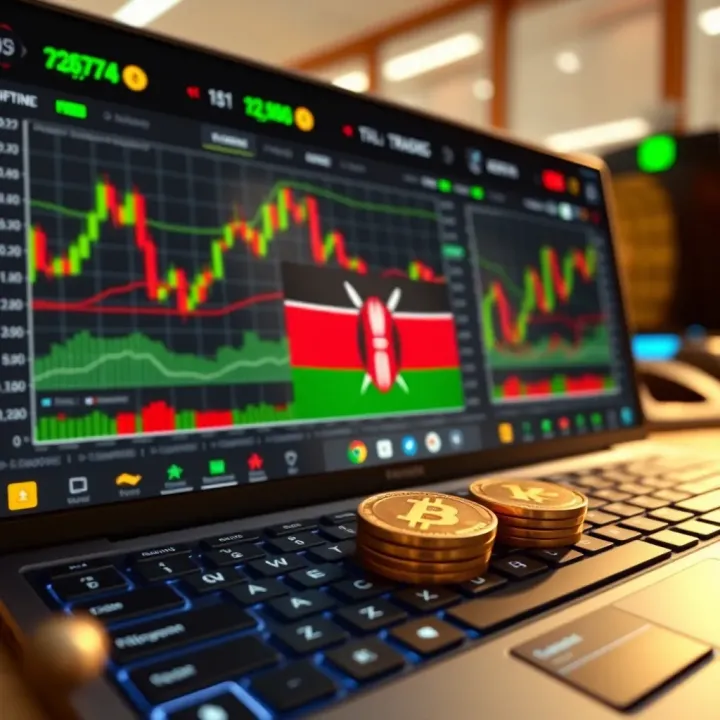
At its core, trading cryptocurrencies means speculating on price changes rather than using them as a medium of exchange. For example, you might buy Bitcoin at KSh 4 million and sell it later at KSh 4.5 million if the market moves in your favour. This requires monitoring market trends and timing your moves.
Kenyan traders have access to several reputable exchanges like Binance, Paxful, and Kraken. A good platform should offer:
Ease of use: Friendly interface suited for beginners and advanced traders.
Payment options: Support for M-Pesa or bank transfers.
Security: Two-factor authentication and proper data encryption.
Liquidity: Ability to buy and sell without large price gaps.
Be cautious of platforms promising guaranteed profits or unregulated sites. Confirm their reputation within Kenyan trading communities and regulatory environment.
Always verify the platform’s compliance with Kenyan financial standards to safeguard your capital.
Cryptocurrency prices can swing wildly within hours due to local and global factors—from regulatory news by the Central Bank of Kenya (CBK) to geopolitical events. Besides price risk, watch out for scams, fake wallets, and phishing attacks.
Open an account on a trustworthy exchange with M-Pesa payment options.
Link your bank account or mobile money for convenience.
Start with small amounts to learn how price movements work.
Learn to read price charts and basic technical indicators.
Avoid investing more than you can afford to lose.
In summary, trading cryptocurrency in Kenya offers opportunities but also challenges that require knowledge, caution, and sensible money management. With the right platform, clear strategy, and real local insight, you can navigate this market effectively and safely.
Cryptocurrency trading has become increasingly popular in Kenya, attracting a wide range of participants, from casual traders to seasoned finance professionals. Understanding what trading involves lays the foundation for making informed decisions and managing risks effectively. For instance, many Kenyans have embraced cryptocurrencies like Bitcoin and Ethereum, seeing them as both investment and trading opportunities. Grasping the basics helps avoid common pitfalls and unlocks practical benefits such as profit-making through market price changes.
Cryptocurrency is a type of digital money secured by cryptography, unlike regular currency issued by governments. It operates on blockchain technology, which records transactions transparently and securely. In Kenya, cryptocurrencies like Bitcoin or USDT are traded mainly through online platforms, with users sending and receiving coins via digital wallets instead of physical cash.
Trading involves buying and selling cryptocurrencies within short terms—hours, days, or weeks—to capitalise on price swings. Investing, on the other hand, generally refers to holding assets longer, often years, hoping for growth in value. For example, a Kenyan trader might buy Ethereum today at KSh 120,000 and sell it a week later for KSh 130,000, whereas an investor would hold and wait out fluctuations for bigger gains.
Spot trading is the simplest form where you buy or sell cryptocurrencies for immediate delivery. If you buy Bitcoin today on a Kenyan exchange using M-Pesa, you own the coins instantly and can transfer or store them. This is the preferred method for beginners due to its straightforward nature.
Margin trading allows you to borrow funds to increase your buying power, often multiplying potential gains but also risks. For example, trading with 5x leverage means your gains or losses are five times more than your capital. While some Kenyan traders use leverage on international platforms, it’s riskier and requires careful monitoring to avoid heavy losses.
Futures let you agree to buy or sell cryptocurrency at a set price on a future date. This type of trade lets you speculate on price movements without owning the coin directly. Kenyan traders interested in hedging or profiting from falling prices often use futures, but it demands a good grasp of market trends.
Bitcoin and Ethereum dominate Kenyan crypto trading because of liquidity and market acceptance. Bitcoin is often seen as a digital gold store of value, while Ethereum powers decentralised apps and smart contracts, which are growing in local tech hubs. Their prices tend to influence the whole market, making them important for beginners and pros alike.
Stablecoins like USDT or USDC peg their value to fiat currencies such as the US dollar. Kenyans use them to avoid crypto volatility—holding a stablecoin means your funds don’t fluctuate much in value, helpful for short-term parking or trading between volatile coins.
Besides the majors, altcoins such as Binance Coin (BNB), Cardano (ADA), and Polkadot (DOT) attract Kenyan traders seeking alternative opportunities. These coins often offer different utilities or innovation that could translate into price gains, but they tend to be more volatile, requiring cautious trading.
Understanding what cryptocurrencies are and the ways you can trade them is the first step to making informed trading choices in Kenya's dynamic market.
Picking the right cryptocurrency exchange is one of the key steps to trading successfully in Kenya. The exchange is where you’ll buy, sell, or swap digital coins, so it needs to be secure, affordable, and easy to use. Choosing a poor platform risks losing your money to scams or unnecessary fees. On the other hand, a reliable exchange helps you trade smoothly and with confidence.
Security should top your list when picking an exchange. Look for platforms with strong encryption, two-factor authentication (2FA), and cold storage for users’ funds. For example, local exchanges like BitPesa often use multi-signature wallets, which adds an extra layer of protection. Given the rise of phishing attacks targeting Kenyan traders, these features reduce your risk of losing access to your account or funds.
Every exchange charges fees, but these can vary widely and directly affect your profitability. Typical charges include trading fees, deposit and withdrawal fees, and sometimes hidden costs. For instance, LocalBitcoins may have higher trading fees compared to international platforms like Binance, but it supports deposits via M-Pesa, which can save on deposit fees. Always check the fee schedule carefully before committing to one exchange.

Trading platforms also differ in how easy they are to use. A clean, simple interface helps you place trades quickly, especially when markets are volatile. Some Kenyan traders prefer mobile-friendly apps since many trade on smartphones. Platforms with clear charts, order books, and customer support tend to offer a more user-friendly experience, which matters when you want to act fast or learn trading basics.
In Kenya, M-Pesa remains the most popular method for moving money, so exchanges that accept M-Pesa deposits and withdrawals gain an edge. Platforms such as BitPesa and Paxful allow easy funding through M-Pesa, cutting down time and costs associated with bank transfers. This convenience is crucial for traders who want quick access to their funds.
Global exchanges like Binance, Coinbase, and Kraken are accessible to Kenyan traders as well. These offer broader cryptocurrency options and deep liquidity but may not support M-Pesa directly. Kenyan traders can fund them via bank transfers or card payments. These platforms also have more advanced trading tools and tighter security but can be overwhelming for beginners.
Most credible exchanges require identity verification to comply with anti-money laundering (AML) rules. In Kenya, this typically involves submitting your National ID or passport and sometimes proof of residence. While the process might seem tedious, it protects you and the platform from fraud and helps ensure your account won’t be frozen unexpectedly.
Once verified, linking your phone number or M-Pesa account simplifies funding your trading account. This setup enables seamless deposits and withdrawals, often with instant settlement. It also saves you long waits associated with bank processing times, which can be frustrating in a fast-moving market.
Securing your trading account is just as important as picking a good exchange. Enable two-factor authentication, use strong unique passwords, and avoid logging in from public Wi-Fi. Consider using password managers and regularly checking for any suspicious activity. These steps might seem basic, but they go a long way in safeguarding your investments.
Choosing the right exchange is more than just a technical step — it frames your entire trading experience. A secure, affordable, and user-friendly platform compatible with Kenyan payment methods is the foundation you need to trade crypto confidently. Taking time here pays off with fewer headaches and better trading outcomes.
Starting your journey in cryptocurrency trading begins with practical steps that set the stage for success. This phase is crucial as it covers foundational activities such as funding your account, understanding the platforms you'll use, and placing your initial trades. Kenyan traders benefit from accessible payment methods like M-Pesa and bank transfers, which streamline the process of entering the market.
Using M-Pesa and bank transfers makes funding your trading account quite straightforward in Kenya. M-Pesa is widely used and trusted, allowing you to transfer money directly to many local crypto exchanges without much hassle. Depending on the platform, you may also link your bank account for deposits or withdrawals, giving you flexibility. For example, some exchanges let you fund your account via bank transfer from Equity Bank or KCB, which suits those who prefer traditional banking.
Minimum deposit amounts vary across exchanges but are often designed to be affordable for new traders. Some platforms accept as little as KS,000 to start trading. This approach encourages more people to join the market without committing large funds upfront. However, always check the minimum deposit specific to your chosen exchange, so you don't get stuck waiting before executing trades.
When it comes to trading platforms, choosing between mobile apps and desktop platforms depends on your convenience and trading style. Mobile apps offer flexibility—allowing you to check prices and trade on the go, which is great for busy professionals or those commuting via matatu. On the other hand, desktop platforms generally provide more detailed interfaces with advanced charting capabilities, fit for deep market analysis.
Charting tools and order types are essential for making informed decisions. Basic charting helps you spot trends, while order types like market and limit orders let you control how you buy or sell. For instance, if you want to buy Bitcoin at today’s going price, a market order suits you. But if you want to buy Ethereum only when it drops to a certain price, placing a limit order protects your funds until conditions meet.
Choosing cryptocurrency pairs means deciding which currencies to trade against each other, like Bitcoin against the US dollar (BTC/USD) or Ethereum against Bitcoin (ETH/BTC). For Kenyan traders, starting with BTC/KES pairs makes sense as it involves the Kenyan Shilling and avoids extra currency exchange steps.
Understanding market orders and limit orders helps control your trade execution. Market orders execute immediately at current prices, good when you want to act fast. Limit orders wait for a specific price level, useful if you have a target entry or exit point in mind, avoiding overpaying or selling too low.
Executing and monitoring trades requires attentiveness. Once you place a trade, keep an eye on price movements and your trade performance through your platform’s dashboard. For example, if you bought Bitcoin expecting a rise, you should monitor the market regularly to decide when to sell or cut losses. Many apps provide price alerts, so you don't miss critical changes.
Starting strong with practical knowledge and tools puts you ahead in managing your crypto trades efficiently in Kenya’s dynamic market environment.
Managing risks in cryptocurrency trading is essential, especially given how volatile this market can be. Without proper risk controls, traders often end up biting more than they can chew, leading to big losses. For Kenyan traders, understanding risk management isn’t just a good idea—it’s a necessity to protect their hard-earned KSh and keep trading sustainable over time.
Price fluctuations and liquidity directly affect how easily you can enter or exit trades. Cryptocurrencies like Bitcoin and Ethereum often swing widely in price within a single day. For example, if Bitcoin moves more than 5% up or down in a few hours, that can wipe out a trader’s gains or double their losses quickly. Liquidity matters here—if you try to sell a large amount on a low-volume altcoin, you might not find buyers easily, forcing you to accept lower prices.
Global events can also shake the crypto market hard. News about regulations in big economies like the US or China often triggers sharp market reactions. For instance, when China banned crypto trading in recent years, prices of several coins nosedived across the board. Kenyan traders should keep an eye on such developments, even if they seem far away, because these events often set the tone for market sentiment locally.
Setting stop-loss orders is a practical way to limit losses. Imagine you buy Ethereum at KSh 150,000 and set a stop-loss at KSh 140,000. If the price drops suddenly, your trade automatically sells at that level, preventing deeper losses. This tool helps you stick to your loss tolerance without needing to watch the market constantly.
Diversification helps spread risk across several cryptocurrencies rather than putting all your capital into one. For example, a trader might hold Bitcoin, stablecoins like USDT, and some promising altcoins. This way, if one coin crashes, the entire portfolio doesn’t suffer the full impact. In Kenya’s growing crypto spaces, diversifying also guards against illiquid coins that can be hard to sell fast.
Avoiding emotional trading is easier said than done but crucial. Many traders panic-sell when prices dip or chase after hype coins expecting quick profits. It’s better to have clear trading rules and stick to them instead of reacting out of fear or greed. Keeping a trading journal can help identify emotional patterns and improve decision-making over time.
Protecting wallets and accounts starts with using strong, unique passwords and enabling two-factor authentication (2FA). Since many Kenyan traders use mobile phones for trading, securing your device with PINs and biometrics is also important. Hardware wallets are highly recommended for storing large amounts safely off exchanges.
Recognising scams and frauds is vital given the rise in crypto-related fraud attempts. Be wary of schemes promising guaranteed returns or unsolicited offers on social media and WhatsApp groups. Legitimate platforms don’t ask for your private keys or passwords. Kenyan traders should also double-check URLs and avoid downloading apps or software from unofficial sources.
Managing risks isn’t about avoiding losses entirely but controlling them so you can trade longer and stay profitable. Kenya’s crypto market may be young, but the risks are real, and good risk management is the trader’s best shield.
Developing effective trading strategies is key to navigating the unpredictable world of cryptocurrency. Without a clear approach, traders risk making impulsive decisions that can lead to losses. Robust strategies help you identify opportunities, manage risks, and adapt to market shifts. In Kenya's growing crypto scene, combining both fundamental and technical analysis offers a balanced view before committing funds.
Evaluating project fundamentals involves examining the core aspects of a cryptocurrency, like the team behind it, its purpose, technology, and adoption rate. For example, a project with a transparent whitepaper, active developers, and partnerships in Kenya or East Africa is more likely to gain traction. By understanding these fundamentals, you avoid guessing and instead base your trades on tangible value.
News and regulatory impacts can heavily shift crypto prices, especially with Kenya's evolving stance on digital assets. Announcements from the Central Bank of Kenya (CBK) or regulatory changes often cause swift market reactions. Staying updated on local and global news helps you anticipate such moves. For instance, a sudden ban or acceptance of cryptocurrency payments could swing prices rapidly, giving you chances to buy low or sell high.
Reading price charts is about spotting patterns and trends over time. Kenyan traders often use candlestick charts that show opening, closing, high, and low prices within specific periods. Recognising trends—whether an upward rally or a downward slide—helps you decide when to enter or exit trades. For instance, seeing a consistent rise in Bitcoin prices might signal a good buying opportunity.
Using indicators relevant for crypto supports your chart reading by offering extra insights. Popular tools like the Relative Strength Index (RSI) show if a coin is overbought or oversold, signalling potential reversals. Moving averages help smooth out price swings, revealing longer-term trends. Applying these indicators can refine your timing, reducing guesswork before executing trades.
Swing trading focuses on capturing price swings over days or weeks. It fits traders who can monitor markets regularly but not constantly. By buying low at a support level and selling high near resistance, you benefit from predictable market cycles. For example, a trader might buy Ethereum after a dip and sell when it recovers within a week or two.
Day trading requires closely following how prices move within the day. This approach suits experienced traders ready to make quick decisions. Since cryptocurrency trades 24/7, day traders in Kenya must stay alert to global events affecting hourly prices. A practical challenge here is high volatility demanding strong risk controls to avoid hefty losses.
Holding for growth means buying assets to keep them long term, expecting value appreciation over months or years. This strategy suits those less interested in daily market noise and more focused on projects with strong fundamentals and community backing. For instance, holding Bitcoin or Ethereum through ups and downs can pay off as adoption grows globally, including in Kenya.
Effective trading combines understanding market forces with disciplined strategies. Whether your style is quick trades or slow gains, knowing when and why to move builds confidence and improves outcomes.
In Kenya’s market, blending these methods based on time, resources, and knowledge gives you better control over your cryptocurrency trading journey.
Navigating the cryptocurrency world in Kenya requires more than just knowing how to buy and sell coins. Practical tips and reliable resources are essential to stay ahead in this fast-moving market. Kenyan traders face unique challenges from fluctuating regulations to payment methods like M-Pesa. Focusing on local insights and tools helps traders make smarter decisions, manage risks, and take advantage of emerging opportunities.
Staying up to date with crypto news keeps traders alert to price swings and market trends. For Kenyan traders, monitoring local news sources that report on government policies and regulatory changes can prevent unwelcome surprises. For example, news about Central Bank of Kenya's stance on cryptocurrency or recent directives from the Capital Markets Authority can directly impact trading conditions.
International news also matters. Big shifts in global markets, such as moves by the US Federal Reserve or announcements from major exchanges, affect prices worldwide. Apps like CoinDesk or CryptoSlate offer timely international updates, helping Kenyan traders gauge the bigger picture.
Joining local crypto groups, either on social media platforms like Twitter and Telegram or in physical meetups, connects traders with peers who share insights and experiences. These communities often share tips on trusted exchanges, warnings about scams, and new trading strategies adapted to the Kenyan market.
In Nairobi and other major towns, occasional gatherings create opportunities for face-to-face learning and networking. Being part of such circles provides informal mentoring and access to firsthand information, which is crucial when regulations or market conditions change suddenly.
Keeping track of your cryptocurrency holdings manually can be tedious and prone to errors. Portfolio trackers available on mobile and desktop automatically update prices, calculate profit and loss, and sometimes even suggest diversification options.
Popular apps like Blockfolio or Delta support Kenyan shilling pricing and link directly to exchanges. This makes it easier for traders to monitor multiple cryptocurrencies at once and react quickly when market moments arise.
Volatility in cryptocurrencies demands constant attention. Setting price alerts helps traders stay on top of significant market moves without staring at charts all day. These alerts notify you when a coin reaches a certain price or when volumes spike.
Apps such as CoinGecko and the Binance mobile platform offer user-friendly alert systems tailored to individual preferences. For Kenyan traders, receiving these notifications at the right time can be the difference between a good trade and a missed opportunity.
Successful trading requires ongoing learning. Various online platforms offer courses and tutorials specifically on cryptocurrency trading. Kenyan traders can benefit from resources that cover basics, technical analysis, and risk management strategies.
Platforms like Coursera or Khan Academy provide free material, while niche sites such as Crypto Academy offer more focused lessons. Educating yourself reduces costly mistakes and builds confidence.
Kenya does not yet have a comprehensive regulatory framework specifically for cryptocurrencies. The Central Bank of Kenya (CBK) has warned against crypto use due to its risks, yet it does not ban it outright. Similarly, the Capital Markets Authority (CMA) monitors crypto investments but has not fully formalised licensing or oversight.
As a trader, staying informed about any new policies is vital because changes can affect exchanges’ operations or restrict payment methods like M-Pesa integration. Consult official announcements and credible news sources regularly.
Remember, operating within the legal boundaries reduces your exposure to fraud and potential fines.
The Kenya Revenue Authority (KRA) has not published detailed guidelines on cryptocurrency taxation. However, profits from trading cryptocurrencies are generally considered taxable income and must be reported when filing returns.
Traders should keep detailed records of their buy and sell transactions, including dates, amounts in Kenyan shillings, and the nature of each trade. Employing basic accounting software or working with a tax consultant can simplify compliance.
Failing to declare crypto income can lead to penalties. So, treat your trading gains like any other business income to stay on the right side of the law.
Developing a strong approach to crypto trading in Kenya means combining technical skills with local knowledge. Using the right tools, engaging with the community, and understanding legal duties are practical steps that improve your chances of success in this vibrant market.
Learn how to trade confidently on Deriv.com from Kenya 🇰🇪, with easy account setup, local payment options like M-Pesa, key tools & tips for safe investing online.

Start trading online in Kenya with tips on choosing products, using the best platforms, managing payments via M-Pesa, handling logistics, and following legal rules 📱💼💰

🔍 Explore cryptocurrency trading in Kenya with clear tips on starting, strategies, risks, key tools, and legal insights to trade confidently and safely.

🔍 Explore binary trade basics, strategies, risks, and legal tips tailored for Kenyan traders. Start making informed decisions with our practical guide! 🇰🇪
Based on 15 reviews