

AUD/USD Forecast: Market Trends and Key Drivers
📊 Explore the AUD/USD forecast with detailed market trends, economic factors, and central bank insights. Get practical trading tips relevant for Kenyan investors! 🌍
Edited By
Amelia Clarke
The euro (EUR) to Kenyan shilling (KSh) exchange rate matters a lot for traders, investors, and businesses dealing with imports, exports, or travel between Kenya and Europe. This rate doesn’t just shift randomly; several economic and political factors continuously influence it. Understanding these can give you an edge when planning your trades or investments.
Kenya’s trade links with eurozone countries affect demand for euros and shillings. For example, when Kenyan firms import machinery or chemicals from Germany or France, they need euros, which can push the EUR-KSh rate upwards. Conversely, if European buyers increase their purchase of Kenyan tea, coffee, or cut flowers, the shilling might strengthen due to higher foreign currency inflows.
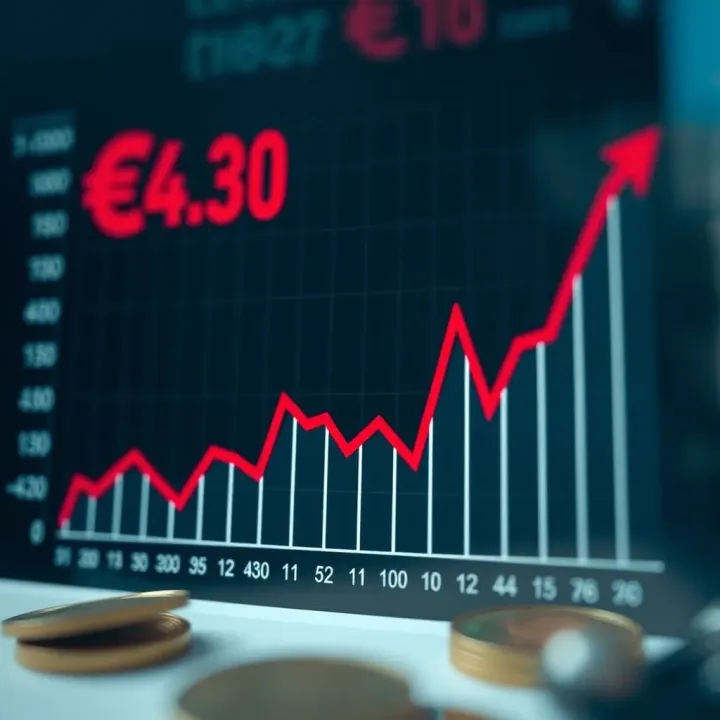
Monetary policy in both Kenya and the eurozone plays a key role. If the European Central Bank (ECB) raises interest rates to tackle inflation, the euro often gains strength, making imports costlier for Kenyan firms. Meanwhile, the Central Bank of Kenya's rate adjustments affect local inflation and capital flows, influencing the shilling’s value against global currencies including the euro.
Political events or global crises can also stir volatility. For instance, tensions in Europe or global economic disruptions tend to boost demand for safe currencies like the euro, impacting its exchange rate against the shilling.
To keep ahead, traders and investors should pay attention to:
ECB and Kenyan central bank announcements on interest rates.
Trade balance reports reflecting Kenya’s imports and exports with eurozone.
Global events affecting investor sentiment, such as energy price shocks or election outcomes in Europe or Kenya.
By following these factors closely, you can anticipate possible movements in the euro to KSh rate and adjust your strategies accordingly. For businesses, this might mean timing payments or hedging currency risks. Investors might look for trading opportunities or asset allocations reflecting currency trends.
In summary, the EUR-KSh exchange rate is shaped by clear economic linkages and policy moves, combined with global uncertainty. Staying informed and responsive is key to navigating this market successfully.
Understanding how the euro to Kenyan shilling (KSh) exchange rate is determined is key for traders and financial professionals working with these currencies. This knowledge helps anticipate currency shifts and make informed decisions, whether you are dealing in forex markets, managing import costs, or planning investments. The rate is not fixed; it reflects complex interactions in the currency market and is influenced heavily by central banks' decisions.
The foreign exchange (forex) market is where the euro and Kenyan shilling meet, with traders buying and selling currencies around the clock. This market is highly liquid, particularly for the euro, one of the world’s major currencies. In Nairobi’s forex scene, institutions, banks, and even individual traders posture based on news and economic data from both the eurozone and Kenya. For example, a sudden announcement about the eurozone’s economic outlook can trigger rapid shifts in liquidity, altering the euro to KSh rate sharply.
Liquidity matters because it affects how easily and quickly you can exchange euros for shillings without causing big price changes. Higher liquidity generally means smaller spreads (the difference between buying and selling prices), benefiting traders by lowering transaction costs.
Supply and demand forces closely dictate the euro to KSh rate. If many Kenyan importers are paying for goods from Europe, demand for euros increases, pushing up its price relative to the shilling. Conversely, if eurozone investors start moving funds into Kenya’s stock market or property, supply of euros to the forex market may grow, putting downward pressure on the euro’s value.
Take the coffee trade for example. Kenya exports coffee to Europe, earning euros that eventually get converted back to shillings to cover local expenses. Changes in these trade flows can tilt supply and demand balance, thereby shifting exchange rates over time. Understanding this dynamic allows traders to pick moments when the balance might favour either currency.
The ECB’s monetary policy is a major driver for the euro’s value globally, including against the KSh. When the ECB adjusts interest rates or signals future policy moves, markets respond quickly. For instance, a decision to hike interest rates usually strengthens the euro, as investors seek better returns. This directly affects the exchange rate Kenyan traders monitor closely.
Besides rates, the ECB’s asset purchase programmes and inflation targets also matter. If inflation in the eurozone seems under control, the euro maintains steadier demand. But any sign of loose monetary policy or economic instability often weakens the euro, influencing the forex market in Nairobi and beyond.
The Central Bank of Kenya (CBK) plays a balancing role by managing the shilling’s value against major currencies, including the euro. CBK’s decisions on base interest rates, foreign reserve levels, and direct interventions in the forex market shape the shilling’s movement.
For example, if the shilling weakens too fast due to external shocks, the CBK might sell foreign currency reserves to support it, stabilising the rate. On the other hand, adjustments in Kenya’s interest rates influence investor appetite: higher interest rates can attract foreign capital, boosting demand for the shilling and strengthening it versus the euro. Traders who follow CBK policy releases can better anticipate potential exchange rate shifts.
Both central banks’ policies and the forex market mechanics work together continuously to determine the euro to KSh exchange rate, making it essential for Kenyan traders to watch these elements closely for effective risk management and decision-making.

Understanding the key factors that influence the euro to Kenyan shilling (KSh) exchange rate is vital for traders, investors, and finance professionals looking to navigate currency fluctuations effectively. These factors offer insight into why the exchange rate moves and help anticipate potential shifts that affect profits, costs, and strategic decisions.
Inflation rates and interest changes play a significant role in currency valuation. When inflation rises in the eurozone or Kenya, it generally reduces that currency's purchasing power. For instance, if inflation in Kenya spikes beyond the European Union's average, the Kenyan shilling may weaken against the euro as goods and services become more expensive locally. Interest rate decisions by central banks also impact flows of capital. A hike by the European Central Bank (ECB) typically strengthens the euro because higher returns attract investors. Conversely, if the Central Bank of Kenya (CBK) increases rates to curb inflation, this could support the shilling by making assets denominated in KSh more attractive. Traders keenly watch these indicators to time their currency trades based on anticipated policy moves.
The trade balance between Kenya and the European Union (EU) is another key element influencing the exchange rate. Kenya runs both imports and exports with EU countries; a deficit or surplus impacts demand for each currency. If Kenya imports more goods and services from the eurozone than it exports, demand for euros rises, putting downward pressure on the shilling. Conversely, stronger Kenyan exports to EU markets generate euro inflows that support the shilling. For example, an increase in Kenyan tea or horticultural exports to Europe, especially during peak seasons, can buoy the shilling as exporters convert euros to KSh. Keeping track of trade data helps traders and businesses understand currency supply-demand dynamics.
Changes in EU policies and Brexit-related shifts can introduce uncertainty or opportunity in the euro-KSh exchange rate. Policies affecting trade tariffs, subsidies, or immigration influence economic relations between Kenya and the EU. For instance, any EU adjustment to trade agreements or reforms on preferential access for Kenyan products like textiles can sway export volumes, affecting forex inflows. Brexit’s aftermath still impacts market sentiment and trade routes; any disruptions or realignments that alter Kenyan trade with the UK or EU nations impact demand for euros and pounds against the shilling.
At the global level, market trends and commodity price effects also weigh heavily on the exchange rate. Kenya is a net importer of petroleum, so fluctuations in oil prices often affect the shilling's strength. A crude oil price rise increases Kenya’s import bill, pressuring the shilling against the euro. Likewise, global economic changes, such as shifts in the US dollar or Chinese markets, indirectly influence Kenya’s trading environment and capital flows. For example, a commodity-driven downturn may reduce investor confidence, leading to capital outflows and weakening the shilling. Traders and analysts regularly monitor such macro trends to assess risks and timing for euro-KSh positions.
Navigating the euro to Kenyan shilling exchange rate demands close attention to these economic indicators and political developments. They provide a practical lens to anticipate currency swings and manage related risks effectively.
Inflation disparities and interest rate adjustments shape currency attractiveness.
Trade imbalances dictate demand for euros versus shillings.
EU policy changes and Brexit outcomes influence economic ties and market sentiment.
Global commodity prices and market trends affect Kenya’s import costs and capital flows.
Traders well-versed in these areas position themselves to respond promptly and strategically in Kenya’s dynamic forex market.
Understanding current trends in the euro to Kenyan shilling (KSh) exchange rate is a key starting point for traders and investors. These trends offer a snapshot of how the euro fares against the shilling over recent periods, helping market players anticipate future movements and manage risks better. Observing the recent performance provides useful clues on price behaviour patterns, enabling traders to optimise timing on currency exchanges.
Over the past 12 months, the euro to KSh rate has seen notable swings influenced by both local and global factors. For example, heightened geopolitical tensions in Europe combined with Kenya’s economic recovery post-pandemic contributed to shifts between KSh 120 and KSh 130 per euro. Traders have found that tracking these fluctuations closely can create opportunities to buy the euro when the shilling strengthens, or to hedge exposure when trends signal weakening.
Exchange rate movements have alternated between bursts of volatility and stretches of relative calm. Periods of volatility often coincided with announcements from the European Central Bank (ECB) regarding interest rate changes or with changes in Kenya’s economic outlook, such as inflation figures or election cycles. Stability periods provide traders with a chance to make more predictable decisions, especially when preparing for international payment commitments or import planning. Recognising these cycles helps investors avoid rash decisions during turbulent times.
Comparing the euro’s performance against the KSh with that of the US dollar and British pound adds valuable context. The US dollar, often a global benchmark, tends to exhibit stronger influence on the shilling. For instance, during global market shocks, the dollar often benefits as a safe haven, impacting how the euro and pound perform against KSh. Traders who watch these cross-currency dynamics can better predict shifts in the euro-KSh rate.
For Kenya’s importers and exporters, understanding how the euro compares with other currencies affects trade costs and pricing strategies. Importers purchasing goods invoiced in euros must consider not only the euro-KSh rate but also the risk of the dollar or pound shifting, which may indirectly affect their costs. Exporters selling to Europe might benefit from a strong euro, as their earnings translate to higher shilling amounts. Businesses that hedge in multiple currencies or negotiate payment terms denominated in stronger currencies can safeguard their profit margins more effectively.
Keeping an eye on current trends and currency comparisons is essential for making informed decisions in the fast-moving foreign exchange market.
By consistently reviewing recent trends and cross-currency movements, Kenyan traders can better manage exposure and spot fresh opportunities in the euro-KSh exchange space.
Understanding exchange rate predictions between the euro and Kenyan shilling helps traders, investors, and businesses prepare for currency fluctuations. These forecasts offer insights into upcoming shifts, allowing better planning for imports, exports, travel, and investment decisions. Without clear forecasts, anyone dealing with cross-border transactions risks losses from unexpected currency movements.
Short-term forecasts focus on weeks to a few months, relying heavily on current events, political news, and immediate market sentiment. For instance, if the European Central Bank (ECB) hints at interest rate changes or Kenya announces inflation data, these factors can cause quick swings in the euro-KSh rate. Traders interested in quick deals or businesses booking payments soon benefit most from these forecasts.
Long-term predictions cover several months to years, considering deeper economic trends, policy changes, and structural factors like trade relations or demographic shifts. A Kenyan exporter to the EU might use long-term forecasts to plan contracts, pricing, and hedging strategies. These predictions tend to assume fewer sudden shocks but require constant review given global economic changes.
Kenyan analysts often focus on domestic data such as inflation, Central Bank of Kenya decisions, and trade flows with Europe to project the shilling's outlook. On the other hand, international agencies consider broader eurozone economic health, global commodity prices, and geopolitical risks. For example, a weak euro due to slowdown fears in Germany can impact KSh valuations.
By combining both perspectives, traders and businesses get a fuller picture. An international analyst might flag a looming ECB policy shift, while a Kenyan economist tracks local fiscal measures. These pointers help finance professionals decide when to exchange currencies or hedge.
Political developments remain a wild card. Changes in EU regulations, elections in major European countries, or Kenyan government shifts can upset currency forecasts. Take Kenya’s election periods, for example—they often bring volatility to the shilling as investors pause to assess new policies.
Similarly, EU policy changes on trade tariffs or migration can indirectly affect the euro's strength against the shilling. Traders should watch political calendars closely and avoid relying solely on numerical models during those phases.
Events like the COVID-19 pandemic catch markets off guard, sending currencies into rapid, unpredictable swings. Commodity price crashes or sudden trade disruptions also impact Kenya’s economy and exchange rate unpredictably.
Forecast models struggle during such crises, as past data becomes less reliable. Traders and investors should consider contingency plans and maintain liquidity buffers, especially since Kenya heavily depends on exports like tea and coffee, which face global price volatility.
Exchange rate forecasts provide valuable direction but come with inherent uncertainty. Staying informed on political and external risks is key to managing currency exposure wisely.
Knowing how to manage your exposure to the Euro-KSh exchange rate is essential, whether you are running a business or planning a trip to Europe. Exchange rates can swing unexpectedly due to economic or political events, affecting profits, costs, and your overall financial plans. This section shares practical steps that help Kenyan traders, importers, and travellers reduce risks and get better value when dealing with euros.
Timing currency exchanges effectively is about understanding when to convert euros to shillings or vice versa to avoid unnecessary losses. For example, if you import machinery from Europe, paying at a time when the euro is cheaper against the shilling can save your business thousands of shillings. Many traders watch market trends or set alerts through platforms like M-Pesa Business or banking apps to buy euros in smaller batches rather than in one lump sum. This way, they avoid the risk of exchanging when rates are unfavourable due to sudden shocks like political unrest in Europe or changes in ECB policy.
Using forward contracts and hedging tools provides a safeguard against unfavourable rate swings. Banks and specialised forex bureaus in Nairobi offer forward contracts allowing businesses to lock in a rate now for a future date. For instance, an exporter expecting euro payments three months ahead can fix the exchange rate today, protecting against the euro weakening against the shilling later. Besides forward contracts, Kenyan companies increasingly use options and swaps as hedging instruments to manage currency risks, especially for large transactions involving capital equipment or raw materials.
Choosing the best time and place to exchange money can greatly affect the shillings you get for your euros. Airport forex kiosks often charge higher fees and offer less favourable rates, so it’s wise to exchange money at trusted banks or forex bureaus in Nairobi or major towns before travel. Monitoring the exchange rates over weeks can help identify dips where you get more shillings per euro. Additionally, some money changers offer better rates for larger amounts, so grouping your currency needs might cut down costs.
Using mobile money and banking options for transactions is becoming increasingly popular and safer. Services like KCB M-Pesa, Equity Bank's EazzyPay, or Safaricom’s Lipa Na M-Pesa allow direct payment for bookings or purchases in euros without physical cash exchange. This reduces risks such as carrying large sums or losing money to middlemen. These platforms usually apply competitive exchange rates and make managing funds easier from Kenya. For travellers, having an M-Pesa or bank app set up to transact or receive funds abroad streamlines budgeting and emergency access to money.
Managing your exposure to currency fluctuations isn’t just for big businesses. Timely planning and smart use of financial tools helps everyone involved with the Euro-KSh rates save costs and avoid surprises.
Key takeaways:
Track market movements regularly if your activities involve euros.
Use forward contracts to fix rates and cut exposure to sudden changes.
Exchange money ahead of time at reputable places, not just at the airport.
Leverage mobile money platforms for safer, cost-effective currency transactions.
These practical tips help Kenyan traders and travellers deal with euro and shilling movements more confidently in a volatile global economy.
📊 Explore the AUD/USD forecast with detailed market trends, economic factors, and central bank insights. Get practical trading tips relevant for Kenyan investors! 🌍

Explore how Coca-Cola stays on top in the soft drink market 🍹 by facing major rivals and adapting to changing tastes in Kenya and beyond 🌍.

📈 Explore Cardano price trends for 2024 and beyond. Dive into market shifts, tech updates, and expert insights shaping ADA's future in Kenya and worldwide.

📈 Explore Bitcoin price in USD with trends, key factors, and insights. Learn risks and get practical tips to navigate Bitcoin’s market movements and futures.
Based on 10 reviews