

Choosing the Best Trading Bot for Your Needs
Discover how to pick the best trading bot tailored to your goals. Learn key features, risks, and top options for traders in Kenya 📊🤖📈
Edited By
Emily Carter
The Commitment of Traders (COT) report stands as a valuable tool for anyone diving into market analysis. Its weekly snapshot offers a peek into how different groups of traders are positioned across various futures markets. Think of it as a backstage pass, showing who’s holding the cards in the ongoing tug-of-war between buyers and sellers.
For traders and finance pros in Kenya and beyond, understanding this report isn’t just academic—it’s practical. It shines a light on market sentiment, revealing potential turning points or confirming trends. Whether you’re looking at commodities, currencies, or financial futures, the COT report gives clues that can shape your trading strategies.
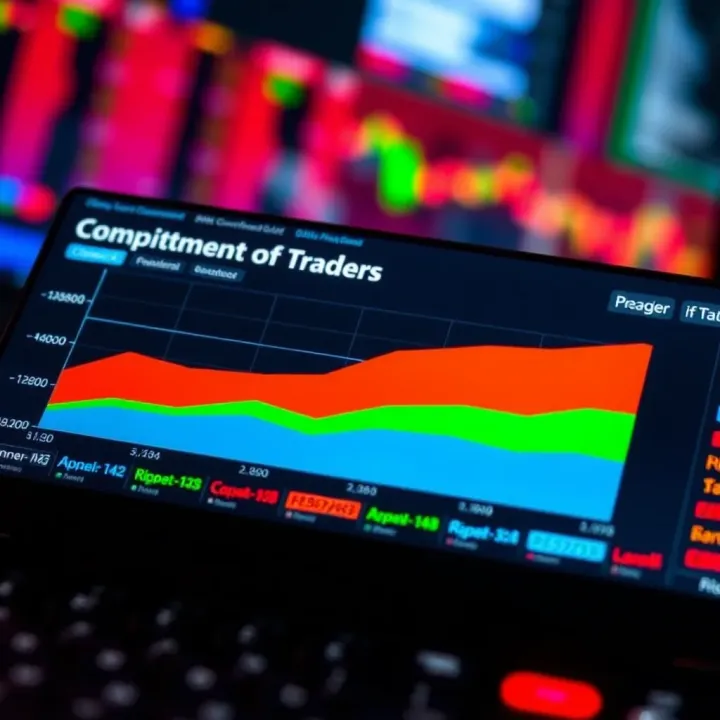
In this article, we’ll break down the nuts and bolts of the COT report: what data it contains, who the key players are, and how to read between the lines. We’ll also explore real-world examples and highlight common pitfalls, so you don’t get caught off guard. By the end, you’ll have a clear sense of how to add this report to your market analysis toolkit and make smarter, better-informed decisions.
Understanding the COT report isn’t about crystal balls; it’s about following the footprints of big market players to anticipate where the market might head next.
Understanding the Commitment of Traders (COT) report is a key step for anyone serious about market analysis. This report sheds light on traders' positions in futures markets, revealing who’s betting on price rises or falls. For instance, a Kenyan coffee exporter tracking commodity futures might use the COT report to see if large commercial traders are hedging risks, indicating potential price shifts.
The COT report gives practical insights by breaking down market activity into categories like commercial and non-commercial traders. This helps you spot who’s driving the market, and whether a current trend might be coming to an end. In markets that don't move randomly, knowing the stakes other players are holding can be a game changer.
Unlike many financial statements or market data, the COT report is unique because it reflects positions rather than prices. This means it can reveal sentiment before price moves become obvious, offering traders an edge in timing decisions.
The COT report is essentially a snapshot of futures market positions held by different trader groups. It shows how many contracts these traders are long (betting prices up) or short (betting prices down). This data helps market participants gauge overall sentiment, whether bullish or bearish.
For example, if commercial traders in the crude oil market are sharply increasing their short positions, it might signal they expect prices to drop, as these traders often hedge physical exposures. Meanwhile, speculators increasing long positions might be optimistic on a price rise.
By presenting detailed breakdowns, the report paints a clearer picture than looking at price charts alone. It’s like having a backstage pass to who’s really betting what, adding depth to market analysis.
The Commodity Futures Trading Commission (CFTC), a U.S. federal agency, publishes the COT report weekly. Every Friday afternoon, it releases data collected up to the previous Tuesday, so there’s a lag but also consistency and reliability.
This regular release schedule makes the COT report a timely tool for traders who want to update their views regularly without getting bogged down by intraday noise. Kenyan traders tracking international commodities like maize futures or platinum can plan around these release dates to reassess positions.
The CFTC’s transparency adds credibility, as it gathers data directly from futures exchanges across multiple markets including agriculture, energy, metals, and financial instruments.
The COT report isn't a crystal ball but a practical window into market positioning. Combining it with other data and analysis helps build a fuller understanding of what's really going on.
By grasping what the COT report represents and how often it is published, you’re better equipped to interpret the numbers and apply them effectively in your trading or investment strategies.
Understanding the different types of traders featured in the Commitment of Traders (COT) report shines a light on who’s moving the market and why their positions matter. The report breaks down traders into distinct groups, each representing different motives and strategies. Recognizing these categories is key to interpreting the data with context rather than as raw numbers.
Commercial traders, often called hedgers, are firms or individuals involved directly with the underlying commodity or asset. Think of farmers selling corn futures or oil companies hedging against price drops. Their primary goal isn’t to speculate but to protect their business from price swings.
For example, a sugar producer in Kenya might use futures contracts to lock in prices ahead of harvest, shielding themselves from sudden falls in world sugar prices. Because commercial traders hold large positions tied to actual production or supply, their moves usually reflect genuine risk management needs rather than market speculation.
This group’s activity can sometimes signal underlying supply and demand shifts. When commercial traders start adding to long positions, it might suggest they expect prices to rise, perhaps due to expected shortages. However, they are often cautious and conservative with positioning, which means sudden large moves from this group can carry meaningful weight in market analysis.
Non-commercial traders are speculators playing the market for profit without ties to the physical commodity. This group includes hedge funds, managed money, and professional speculators who chase trends and price movements.
Imagine a Nairobi-based investment fund that trades coffee futures purely to profit from price fluctuations rather than physical coffee handling. These traders tend to push markets, amplifying trends either up or down and sometimes causing short-term price volatility.
Their positions reflect market sentiment and speculative fervor more than fundamental supply and demand. When non-commercial traders ramp up long positions aggressively, it often signals bullish market sentiment, but this can also alert savvy traders to potential bubbles or overextensions. Conversely, heavy short-selling might warn of price corrections ahead.
In practice, watching the balance between commercial and non-commercial traders helps investors gauge when speculators are driving prices away from fundamentals, which can be a signal to proceed with caution.
Retail traders and those categorized as nonreportable represent small-scale market participants whose trades are not large enough to be reported individually to the CFTC. This group often includes individual traders, small investment offices, and sometimes new entrants to futures trading.

Though they make up a smaller percentage of total market volume, retail traders collectively can influence short-term price swings, especially in less liquid contracts. Their positions often reflect sentiment and impatience rather than long-term strategy.
For instance, during a sudden price spike in Kenya’s maize futures, many small traders might jump in on the optimism hoping to catch a quick profit. The COT data lumping these traders as nonreportable helps market analysts separate the noise from the more influential positions of commercial and non-commercial groups.
In sum, understanding the different trader categories in the COT report reveals layers of market behavior. Recognizing who holds the cards, why they play certain positions, and what those plays imply about market conditions leads to better judgment when making trade decisions.
Remember: Not all traders move the market for the same reasons; keeping their roles distinct can provide sharper insights than just following headline numbers.
Reading the Commitment of Traders (COT) report is like getting a peek into the market’s locker room, where traders’ positions and strategies are laid bare. For anyone trading in futures or commodities, understanding how to interpret this data is critical for making informed decisions. The report offers detailed info about the holdings of different trader groups, which in turn reflects broader market sentiment and potential price moves.
One key reason this section matters is that the COT report isn't just numbers on a page—it reflects where the big players place their bets. By reading it right, traders can anticipate turning points and gauge whether the market mood is bullish or bearish. In Kenya's increasingly active commodities market, tapping into this data can provide an edge when assessing forex pairs, agricultural futures like tea and coffee, or even energy documents.
Long and short positions form the backbone of the COT report's story. A 'long' position means the trader expects the price to rise, so they own contracts hoping to sell them later at a higher price. Conversely, a 'short' position is betting the other way around—anticipating a drop in price.
Think of it like a football match: if most fans (traders) are cheering on the home team (long), they expect a win, but if the away crowd (short) seems louder, they believe an upset is coming. The report breaks down how many contracts are held long or short by commercial traders (like producers and hedgers) versus non-commercials (speculators). Watching shifts in these positions over weeks or months reveals if the optimism or pessimism is building or fading.
For example, in Kenya’s coffee futures, if commercial traders suddenly increase their short positions, it might signal an expectation of declining coffee prices due to factors like a bumper harvest or export issues. Paying attention to these long versus short numbers gives you a sense of who’s moving the market and why.
Market sentiment is the collective attitude or feeling investors have toward an asset, and the COT report provides clues to this sentiment through changes in positions. When traders start adding more longs than shorts, it usually indicates increasing confidence in price rises. The opposite is true when shorts pile up.
A practical tip is to monitor the net positions—that is, longs minus shorts—for each trader category. Sudden big moves in net positions often precede price action because they show a shift in demand or supply expectations.
For instance, say Kenyan maize futures saw a sharp rise in non-commercial long positions over a few weeks. This might reflect speculators betting on tighter supply due to droughts, hinting at possible price hikes in the near future. Conversely, if commercials increase shorts, it might be because producers are locking in prices ahead of expected export volumes.
One of the often overlooked yet valuable uses of the COT report is spotting early signs of market trend reversals. When large traders change their positions markedly, it can signal a shift in momentum before prices actually move.
Imagine the cattle futures market in Kenya. If commercial traders have been mostly short but suddenly start reducing their shorts and adding longs, it suggests that those with inside knowledge or hedging needs sense a rebound. This could warn retail traders to brace for an upward trend.
A catch here is that the COT data is weekly and may lag actual price movements, so it’s best used alongside charts and other indicators. Still, by watching divergences—like prices declining while speculators add longs—it’s possible to catch a market getting ready to flip.
"The COT report doesn’t predict the future outright, but it’s like reading the room—knowing where the smart money is going can save you from walking into a wall."
Understanding how to read the COT data empowers traders and investors in Kenya to go beyond guesswork. By clearly grasping long/short breakdowns, shifts in market sentiment, and early reversal signs, you get a stronger handle on what's driving price movements. This knowledge paves the way for smarter, more strategic trading decisions.
The Commitment of Traders (COT) report provides a snapshot of how different groups of traders position themselves in the futures markets. But beyond just knowing who is buying or selling, its real worth lies in how traders put this info to work. Practical use of the COT data can help shape smarter decisions, whether it’s timing entries, managing risk, or sizing positions properly. Let’s explore some ways this powerful tool fits into everyday trading.
Technical analysis relies heavily on charts, price patterns, and indicators to predict market direction. When you add the insights from the COT report, it’s like having a peek behind the curtain at what major players are doing. For example, if technical indicators show an overbought condition but the COT report reveals large commercial traders increasing their long positions, there might be good reason to hold off on selling.
Imagine you’re watching the maize futures chart, and RSI is around 70, signaling a potential pullback. However, the COT data shows commercials adding long contracts steadily over the past few weeks. This could hint that despite short-term technical signals, the bigger market movers expect prices to hold or climb, helping you read the market with better nuance.
Risk control is the backbone of any successful trading plan, and COT data can play a subtle but significant role here. By studying how non-commercial traders (often speculators) or commercials shift their holdings, you can gauge market conviction or uncertainty. This helps in deciding how large or small your position should be.
For instance, if speculators are heavily long in coffee futures but commercials start closing shorts, it might signal an impending change in trend. A cautious trader might reduce position size or set tighter stop losses instead of going all-in. Conversely, confirmation of strong commercial interest aligned with your trade direction can give you confidence to increase position size within your risk limits.
Remember, no single source tells the whole story. Use COT data alongside your risk parameters to avoid reckless bets.
Traders have developed various strategies using the Commitment of Traders report. One common method is the "Contrarian Commercials" strategy, which assumes that commercials tend to be on the right side of the market eventually.
Contrarian Approach: When commercials hit record-high short positions, it might indicate that prices are close to bottoming. A trader can look for confirmation from price action to enter a long position.
Speculator Momentum: Large increases in non-commercial long positions paired with rising prices could validate ongoing bullish momentum, suggesting trend-following trades.
Spread Trading: Some traders analyze divergences between trader categories across related futures (like wheat vs. corn) for spread trading opportunities.
As a real-world example, a trader monitoring the Kenyan tea futures market might note commercials reducing short exposure while speculative longs increase sharply. Coupled with a break above a key resistance level on the chart, this could be a signal to buy with a reasonable stop loss.
These approaches highlight how the COT report is not just data but a practical guide when combined thoughtfully with other tools. Traders in Kenya and globally can benefit by building these insights into their trading playbook to spot opportunities and manage their trades more wisely.
While the Commitment of Traders (COT) report offers valuable insights into market positions and sentiment, it’s not without its pitfalls. Traders often fall into the trap of reading too much into the figures without considering the broader context. Recognizing these limitations helps avoid costly mistakes and promotes a balanced approach.
The COT data is a snapshot, taken once weekly, and reflects past positioning rather than real-time market shifts. This delay can mislead traders if they treat the report as a current indicator instead of a historical reference. Moreover, the categories—commercials, non-commercials, and retail traders—don't fully capture the nuances of market participants' intentions and strategies. For instance, a commercial trader hedging risk in one market might influence COT data differently from a speculative player.
Misinterpretations often stem from expecting the COT report to predict market moves on its own. It’s best viewed as a tool to complement other analyses, not a standalone solution.
One main drawback of the COT report is the time lag. Released every Friday, the data is collected from positions held up to the previous Tuesday. This delay means the market might have already moved significantly by the time you’re seeing the report. Imagine trying to catch a wave after it has already crashed ashore—that’s akin to using the report without accounting for lag.
In fast-moving markets like forex or oil futures, this latency becomes even more frustrating. For example, if a big geopolitical event happens on Wednesday, the Friday report won’t reflect the immediate shift in traders’ sentiment. Hence, relying solely on this data for short-term trading can lead to outdated assumptions.
Traders mitigate this by combining COT insights with real-time data such as price action, volume, and news events. This way, COT acts as a backdrop, providing bigger picture context rather than minute-by-minute guidance.
Putting all your trading eggs in the COT basket is risky. The report provides clues, but it doesn’t deliver crystal-clear predictions. Markets are influenced by countless factors beyond trader positions—economic reports, central bank policies, geopolitical tensions, and unexpected news can all swing prices wildly.
To sidestep overdependence, integrate COT data with technical analysis like moving averages or RSI, fundamental research, and sentiment indicators. For instance, if non-commercial traders build up a heavy long position but the broader economic outlook is shaky, it might signal a potential bubble rather than a sure bet on rising prices.
Avoid the common mistake of interpreting large commercial shorts as a guaranteed impending price drop without corroborating evidence. Their hedging strategies can sometimes cause seemingly bearish positions while underlying fundamentals stay positive.
Using COT data wisely means seeing it as part of a puzzle, not the entire picture. It’s a valuable tool but only when combined with other market intelligence.
Ultimately, understanding these limitations prevents misreading the COT report, helping traders maintain clear-eyed decisions and better navigate the complexities of market movement.
The Commitment of Traders (COT) report offers a solid snapshot of market positioning, but its true value comes from knowing how to use it alongside other tools. Traders and analysts can gain deeper insights by combining COT data with other market signals and continuously adapting as market conditions shift. Without this approach, relying solely on COT reports can sometimes lead to missed opportunities or inaccurate predictions.
No market indicator works perfectly in isolation, and the COT report is no exception. Pairing its data with technical indicators like moving averages or the Relative Strength Index (RSI) can provide a fuller picture. For instance, if the COT report shows big commercial players increasing short positions, and the RSI is hitting overbought territory, it might suggest an impending pullback.
Economic news releases are another piece of the puzzle. Say there's a report hinting at inflation rise – this can validate whether the positioning in the COT aligns with fundamental expectations.
Practical steps for combining data include:
Tracking COT position changes alongside volume spikes.
Watching for divergences between trader categories and price action.
Using sentiment indicators such as the VIX to gauge overall risk appetite.
This multi-angle approach reduces the chance of being blindsided by surprises and helps fine-tune entry and exit points in trades.
Markets are dynamic, and the COT report is released weekly, meaning it’s always a step behind real-time changes. Staying updated means monitoring supplemental data sources daily, including futures tickers, news feeds, and economic calendars.
Traders should also recognize that the behavior of commercial versus non-commercial traders can shift based on broader economic contexts. For example, during a sudden geopolitical event, the positioning within the COT might quickly become outdated, requiring swift reassessment.
One practical tip is keeping a trading journal that notes how COT data influenced decisions and the outcomes. Over time, this helps identify patterns or timing mismatches to improve future adaptations.
Remember, the COT report is a guide, not gospel. Markets often react to a mix of technical setups, fundamental news, and psychological factors. Constant learning and flexibility are key to staying ahead.
In summary, maximizing the value of COT information boils down to blending it with other market tools, staying vigilant about current events, and adjusting strategies as the landscape changes. This balanced approach equips traders and analysts alike with a versatile edge in navigating complex markets.
Discover how to pick the best trading bot tailored to your goals. Learn key features, risks, and top options for traders in Kenya 📊🤖📈
🔍 Explore Binary.com with a clear look at its platforms, safety, payment options, and smart trading tips designed for Kenyan traders. 📈💼

📊 Explore binary trading basics, strategies, risks, regulations, and top platforms in Kenya. Get practical tips to invest wisely and avoid common pitfalls.
Explore Deriv API 🔍 for traders & developers in Kenya 🇰🇪. Learn integration, trading automation 🤖, security 🔐, tools 🛠️, and troubleshooting tips.
Based on 9 reviews